Season 2 of The Last of Us is where the show stops trying to win us over and starts daring us to stay. If Season 1 was about survival and found family, Season 2 is about consequences, and it wears that word like a bruise you keep pressing just to make sure it still hurts.
Craig Mazin and Neil Druckmann pivot the series into darker, narrower territory, adapting the first half of The Last of Us Part II with an almost confrontational confidence. The world feels smaller this time, not because the production has shrunk, but because the story is tunneling inward. This season is obsessed with grief, obsession, and the quiet ways people justify becoming something harder than they used to be.
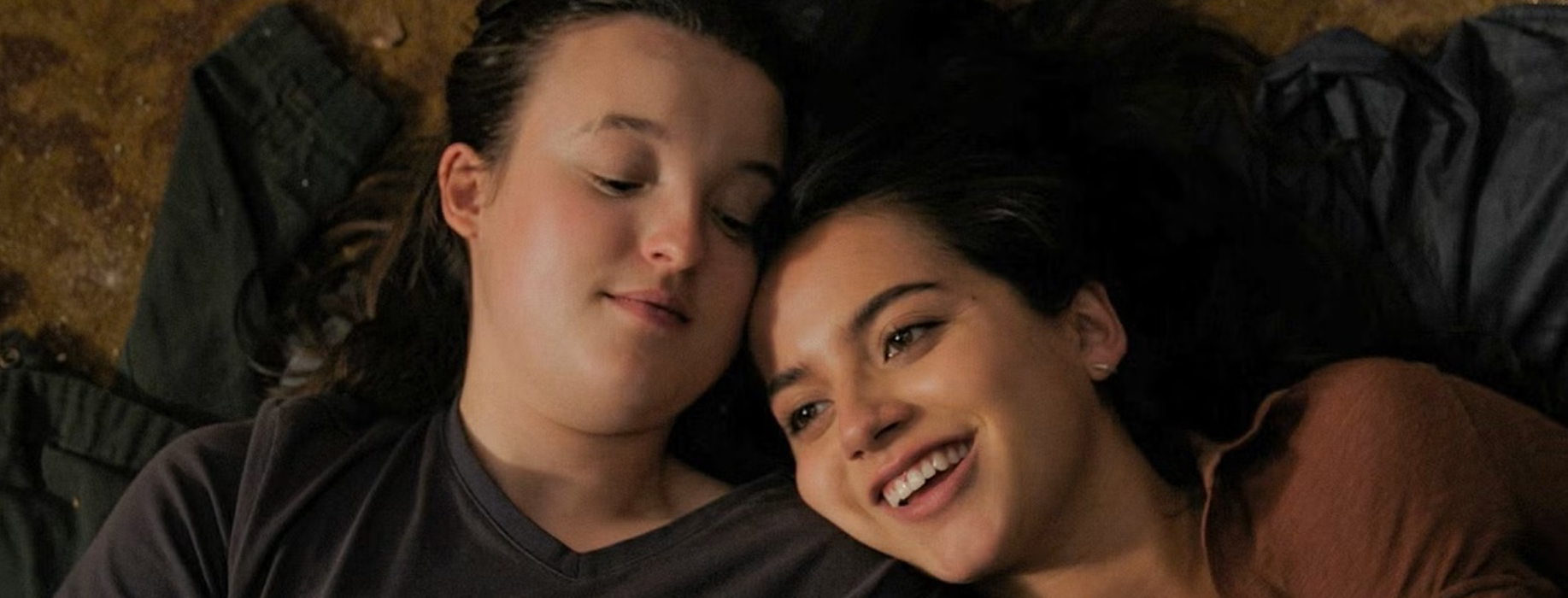
Pedro Pascal’s Joel looms over the season even when he’s not physically present, a ghost made of flashbacks and moral wreckage. Pascal gives Joel a weary humanity that makes his legacy feel heavy rather than heroic. Bella Ramsey’s Ellie, meanwhile, is the engine of the season. Ramsey plays her as raw nerve and clenched jaw, letting rage curdle into something uglier and more frightening. This is not a likable arc, and that’s the point.
Visually, the show remains impeccable. The ruined beauty of the Pacific Northwest is captured with painterly patience, and Gustavo Santaolalla’s score continues to whisper rather than announce itself. HBO’s money is all on the screen, but the show never confuses scale with substance.
The shortcomings are real. At seven episodes, the season can feel both overstuffed and incomplete. Pacing slows to a crawl in places, and the focus on Ellie’s singular mission limits the ensemble richness that made Season 1 feel expansive. The deliberate withholding of certain perspectives may frustrate viewers expecting narrative balance.
Still, Season 2 is braver television than most prestige dramas dare to be. It refuses comfort, trades catharsis for unease, and ends not with closure, but with a challenge. Stick with it, or don’t. The show has already made its choice.
RHFC Rating: 7/10 🍿