Mary Shelley’s stitched-together nightmare has been adapted more times than most studio interns have had cold brew, so a new Frankenstein needs a reason to exist. Fortunately, director Guillermo del Toro has never been interested in making a polite museum piece. His version is moody, mournful, and unapologetically romantic, like a gothic lullaby sung by someone who knows exactly how monsters are born.
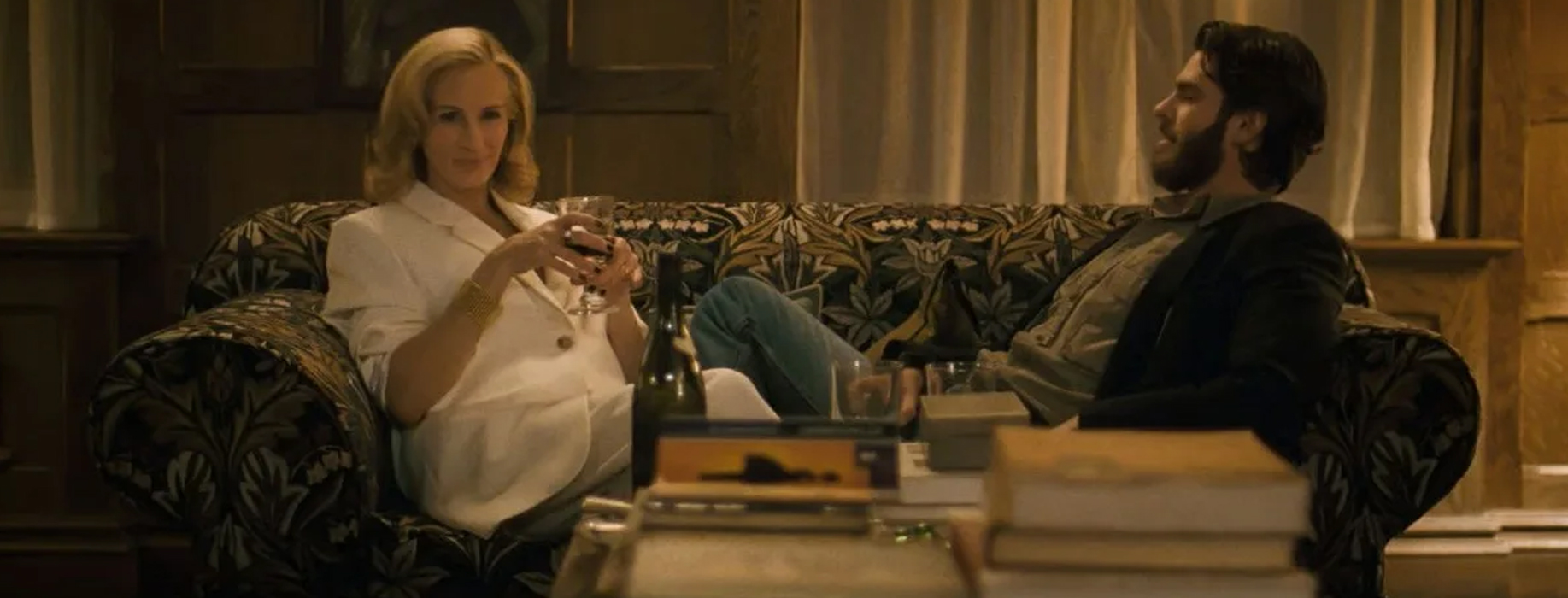
At the center is Victor Frankenstein, played by Oscar Isaac, who leans hard into obsession rather than arrogance. This Victor is not a cackling mad scientist. He is a man hollowed out by grief, driven less by god complexes than by the quiet terror of loss. Isaac plays him with restraint, which somehow makes the character more dangerous. You feel the moral decay long before the lightning strikes.
The Creature, portrayed by Jacob Elordi, is where the film truly breathes. Del Toro presents him as a tragic echo of humanity rather than a horror attraction. His physical presence is imposing, but the performance is tuned to vulnerability. When he looks at the world, it is with the confusion of someone dropped into a society that has already decided what he is allowed to be.
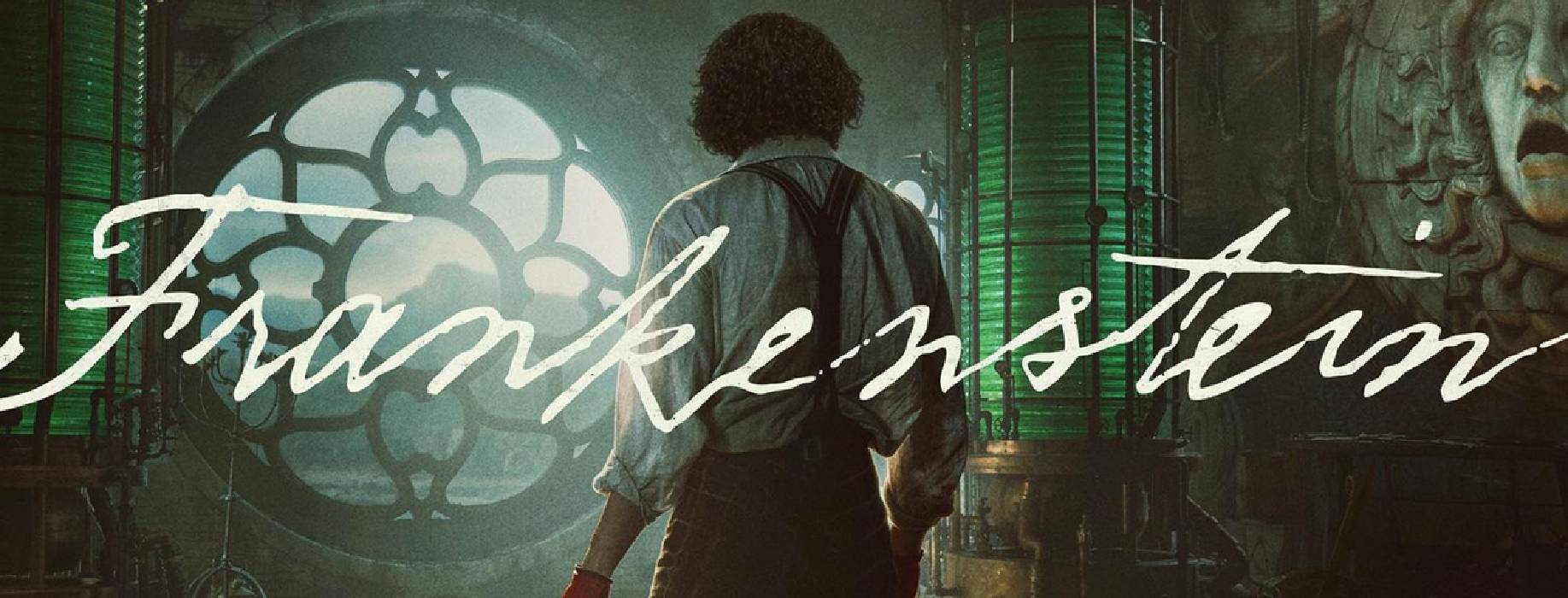
Visually, this feels like a cousin to del Toro’s Crimson Peak and The Shape of Water. Candlelit corridors, damp stone, and shadows that seem alive. The production design does heavy emotional lifting, turning laboratories into confessionals and castles into emotional tombs. The score hums rather than screams, letting sadness do the work that jump scares usually handle.
The shortcomings come in pacing. The middle act lingers, circling its themes so deliberately that momentum occasionally slips. Some supporting characters feel underwritten, reduced to symbols when they could have been people.
Still, this Frankenstein understands the novel’s core truth. The real horror is not the monster. It is the responsibility we abandon once creation is complete.
RHFC Rating: 9.5/10 🍿